Beijing Business Travel Guide: Venues and Etiquette
A comprehensive guide for business travelers visiting Beijing, covering convention centers, business hotels, dining etiquette, and cultural tips for successful meetings.
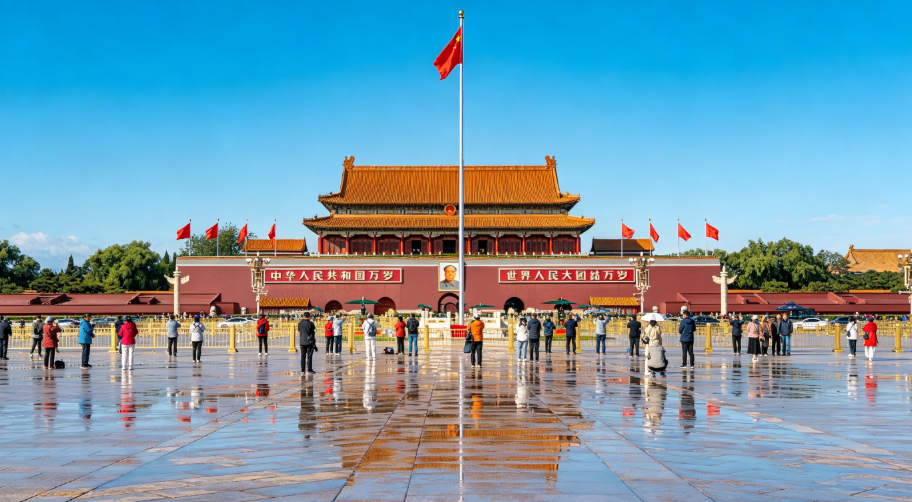
Introduction to Business Travel in Beijing
Beijing, the capital of the People's Republic of China, stands as one of the most important business hubs in Asia and the world. With a population exceeding 21 million people and a GDP that rivals many nations, Beijing offers unparalleled opportunities for international business travelers. The city seamlessly blends its 3,000-year history with cutting-edge modern infrastructure, making it both a fascinating cultural destination and a highly efficient center for commerce. Whether you are attending a trade fair, negotiating a partnership, or exploring investment opportunities, understanding Beijing's business landscape, venues, and cultural etiquette is essential for success.
This comprehensive guide covers everything from the best convention centers and business hotels to dining etiquette and transportation options. We have compiled insights from seasoned business travelers and local experts to help you navigate Beijing's dynamic business environment with confidence and professionalism.
Top Convention Centers and Exhibition Venues
China National Convention Center (CNCC)
Located in the Olympic Green area of Chaoyang District, the China National Convention Center is one of the largest and most modern convention facilities in Asia. Spanning over 400,000 square meters, the CNCC hosts numerous international conferences, trade shows, and corporate events throughout the year. The center features multiple exhibition halls, conference rooms of various sizes, and state-of-the-art audio-visual equipment. Its proximity to the Bird's Nest Stadium and the Water Cube makes it an iconic location that impresses international delegates.
The CNCC is easily accessible via the Beijing Subway Line 8 and Line 15, and is surrounded by premium hotels including the China National Convention Center Grand Hotel, which offers direct access to the venue. Business travelers will appreciate the dedicated business center, high-speed WiFi throughout the facility, and professional event management services available in both Chinese and English.
Beijing International Convention Center (BICC)
Situated in the heart of the Chaoyang District near the Asian Games Village, the Beijing International Convention Center has been a cornerstone of Beijing's MICE (Meetings, Incentives, Conferences, and Exhibitions) industry since its establishment. The BICC offers approximately 20,000 square meters of exhibition space and multiple conference halls capable of accommodating groups from 10 to 3,000 people. Its central location provides easy access to Beijing's central business district and major hotels.
China World Trade Center
The China World Trade Center complex in the CBD (Central Business District) of Chaoyang District is perhaps the most prestigious business address in Beijing. The complex includes the China World Summit Wing hotel, premium office towers, the China World Mall, and extensive conference and banquet facilities. The convention center within the complex offers flexible event spaces with the latest technology infrastructure, making it ideal for high-profile corporate meetings, product launches, and executive retreats. The adjacent five-star hotels provide world-class accommodation for visiting executives and their teams.
National Agricultural Exhibition Center
For trade shows and exhibitions focused on agriculture, food, and related industries, the National Agricultural Exhibition Center in the eastern part of Beijing provides expansive indoor and outdoor exhibition spaces. The center regularly hosts international food and beverage expos, agricultural technology fairs, and specialty product exhibitions that attract buyers and sellers from around the globe.
Premium Business Hotels
The Peninsula Beijing
Recently renovated at a cost exceeding $150 million, The Peninsula Beijing is one of the most luxurious business hotels in the city. Located near the Wangfujing shopping district, the hotel offers impeccably appointed rooms and suites, a world-class spa, multiple dining options, and comprehensive business facilities. The hotel's meeting rooms and ballrooms can accommodate events from intimate board meetings to grand galas for 500 guests. The dedicated concierge team can arrange everything from airport transfers in luxury vehicles to private tours of Beijing's cultural landmarks for entertaining clients.
China World Hotel
As part of the China World Trade Center complex, the China World Hotel offers unmatched convenience for business travelers attending events at the convention center. The hotel features over 1,000 rooms and suites, multiple restaurants serving Chinese, Japanese, and Western cuisine, a fully equipped fitness center, and extensive meeting facilities. The hotel's location in the CBD provides easy access to multinational corporate offices, embassies, and upscale dining and entertainment options.
Four Seasons Hotel Beijing
Located in the heart of the financial district, the Four Seasons Hotel Beijing combines contemporary luxury with traditional Chinese design elements. The hotel offers 304 rooms and suites, a stunning spa, an indoor pool, and several acclaimed restaurants. Its meeting and event spaces include a grand ballroom and several function rooms equipped with the latest technology. The hotel is particularly popular among financial industry professionals and executives who value discretion and personalized service.
NUO Hotel Beijing
The NUO Hotel Beijing represents a new generation of luxury hotels that celebrate Chinese culture and heritage. Located in the Chaoyang District near the 798 Art Zone, the hotel features contemporary design inspired by the Ming Dynasty, exceptional dining options, and comprehensive business facilities. The hotel's ballroom and meeting rooms offer flexible configurations for corporate events, and the rooftop bar provides a stunning venue for networking receptions with panoramic views of the Beijing skyline.
Business Dining and Entertainment
Formal Business Dining Etiquette
Dining plays a crucial role in Chinese business culture. Business meals are not merely about food; they are opportunities to build relationships, demonstrate respect, and negotiate deals in a more relaxed setting. Understanding dining etiquette is essential for any business traveler to Beijing.
Seating arrangements: In Chinese business dining, seating is hierarchical. The host typically sits facing the door, with the most honored guest seated to the host's right. Wait to be directed to your seat rather than choosing one yourself. The seat facing the entrance is the position of honor, while the seat with its back to the door is considered the least prestigious.
Toast culture: Toasting (ganbei, literally "dry cup") is an integral part of Chinese business dining. The host usually initiates the first toast, and it is polite to reciprocate later in the meal. When toasting, hold your glass with both hands as a sign of respect. If you do not drink alcohol, it is acceptable to toast with tea or juice, but explain your reason politely.
Chopstick etiquette: Never stick chopsticks upright in a bowl of rice, as this resembles incense burned for the dead. Do not point at people with your chopsticks, and avoid tapping them on the edge of your bowl. When not in use, place your chopsticks on the chopstick rest or lay them across your plate.
Ordering and sharing: Chinese business meals typically feature shared dishes placed on a lazy Susan (rotating tray) in the center of the table. The host usually orders for the table, and it is polite to try a bit of everything. If you have dietary restrictions, inform your host in advance. It is considered generous and face-building for the host to order abundant food, so do not be surprised by the quantity.
Recommended Business Dining Venues
Da Dong Roast Duck Restaurant: Known for its innovative approach to traditional Peking duck, Da Dong offers a refined dining experience suitable for important business dinners. The restaurant's modern Chinese cuisine and elegant atmosphere make it a popular choice for entertaining international clients. Multiple locations are available throughout Beijing, with the flagship restaurant in the Chaoyang District being particularly impressive.
Huang Ting at The Peninsula: This Michelin-starred Cantonese restaurant offers exquisite dim sum and traditional Cantonese dishes in an opulent setting. The private dining rooms are ideal for confidential business discussions over exceptional cuisine. The restaurant's wine list is extensive, featuring both Chinese and international selections.
TRB Hutong: Located in a beautifully restored 600-year-old temple near the Forbidden City, TRB Hutong offers contemporary French cuisine in one of Beijing's most atmospheric settings. The restaurant is perfect for impressing clients with its unique blend of historical architecture and modern gastronomy. Private dining options are available for groups requiring a more intimate setting.
King's Joy Restaurant: For business travelers seeking a unique dining experience, King's Joy offers exquisite vegetarian cuisine inspired by Buddhist traditions. Located near the Yonghe Temple, the restaurant occupies a traditional courtyard building and serves beautifully presented dishes that showcase the sophistication of Chinese vegetarian cooking.
Transportation for Business Travelers
Beijing Capital International Airport (PEK)
Beijing Capital International Airport is the primary gateway for international business travelers. Located approximately 32 kilometers northeast of the city center, the airport offers three terminals with extensive international connections. Terminal 3, designed by architect Norman Foster, is one of the largest airport terminals in the world and handles most international flights. The Airport Express train connects the airport to the city center in approximately 20 minutes, while taxis and private car services are available 24 hours a day. Travel time to the CBD typically ranges from 40 to 90 minutes depending on traffic conditions.
Beijing Daxing International Airport (PKX)
Opened in 2019, Beijing Daxing International Airport is a stunning architectural achievement designed by the late Zaha Hadid. Located approximately 46 kilometers south of the city center in the Daxing District, the airport serves as a hub for several major airlines. The airport is connected to the city center by a high-speed rail link that reaches Beijing West Railway Station in just 20 minutes. Business travelers will appreciate the airport's modern facilities, premium lounges, and efficient immigration processing.
Ground Transportation
Beijing's subway system is one of the most extensive in the world, with over 20 lines covering most of the urban area. For business travelers, the subway offers a reliable and affordable way to navigate the city, though it can be crowded during peak hours. Taxis are widely available and relatively inexpensive, though language barriers can be a challenge. Ride-hailing apps like Didi (China's equivalent of Uber) offer English-language interfaces and are widely used by business travelers.
For maximum convenience and professionalism, many business travelers opt for private car services with drivers. These can be arranged through hotels or specialized car service companies and typically cost between 800 and 2,000 RMB per day depending on the vehicle type. Having a dedicated driver who knows the city well can save significant time and reduce the stress of navigating Beijing's often congested roads.
Business Culture and Etiquette Tips
Business Cards (Ming Pian)
Business cards remain an essential tool for professional interactions in China. Always carry a generous supply of bilingual business cards with English on one side and Chinese on the other. Present your card with both hands, with the Chinese side facing the recipient. Take time to read the card you receive before putting it away, and never write on or fold a business card in front of its owner. Consider investing in a quality card holder, as stuffing cards into pockets is considered disrespectful.
Guanxi (Relationships)
The concept of guanxi, or personal relationships and connections, is fundamental to doing business in China. Building strong guanxi requires time, patience, and genuine interest in your business partners as people. Regular meals, gift-giving, and social activities are all part of cultivating guanxi. Do not expect to close major deals on your first visit; instead, focus on building trust and demonstrating your commitment to a long-term partnership.
Gift Giving
Gift giving is an important aspect of Chinese business culture, but it requires careful consideration. Appropriate gifts include quality items from your home country, fine tea, premium spirits, or elegant desk accessories. Avoid giving clocks (the word for clock sounds like the word for funeral), sharp objects (symbolizing the severing of relationships), or items in sets of four (the number four sounds like the word for death in Chinese). Gifts should be wrapped in red or gold paper, and it is customary for the recipient to refuse the gift several times before accepting it.
Meeting Protocol
Punctuality is highly valued in Chinese business culture, and arriving late to a meeting is considered disrespectful. Dress conservatively in dark-colored business suits, and ensure your attire is clean and well-pressed. Greetings typically involve a slight bow or nod, though handshakes have become increasingly common in international business settings. Wait for your Chinese counterparts to initiate physical contact. During meetings, allow for periods of silence, as Chinese businesspeople often take time to consider proposals before responding.
Practical Tips for Business Travelers
Visa Requirements
Most foreign business travelers require a visa to enter China. The M visa (business visa) is the most common type for business travelers and is typically valid for single or multiple entries with stays of 30 to 90 days. Apply for your visa well in advance of your trip, as processing times can vary. You will need an invitation letter from a Chinese business partner or organization to support your visa application.
Connectivity and Technology
Internet access in China is subject to the Great Firewall, which blocks many Western websites and services including Google, Facebook, Twitter, and many news outlets. Business travelers should prepare by downloading necessary documents and applications before arrival. Consider using a VPN service (ensure it complies with local regulations) for accessing essential business tools. WeChat is the dominant communication platform in China and is essential for both personal and business communication. Download and set up your WeChat account before your trip.
Language Considerations
While English is spoken in major hotels, international restaurants, and at large conferences, many business situations in Beijing require Chinese language skills. Consider hiring a local interpreter for important meetings and negotiations. Translation apps can be helpful for basic communication, but they are no substitute for a professional interpreter in high-stakes business situations. Learning a few basic Mandarin phrases such as greetings and expressions of gratitude will be appreciated by your Chinese counterparts and demonstrate your respect for their culture.
Health and Safety
Beijing is generally a safe city for business travelers, with low rates of violent crime. However, be aware of your surroundings, especially in crowded areas and tourist sites where pickpocketing can occur. Air quality in Beijing has improved significantly in recent years, but pollution levels can still be high on certain days. Consider bringing a supply of N95 masks, especially if you have respiratory sensitivities. Tap water is not safe to drink in Beijing; always opt for bottled water, which is widely available.
Conclusion
Beijing offers tremendous opportunities for business travelers willing to invest time in understanding the local culture and business practices. By choosing the right venues, respecting cultural norms, and preparing thoroughly for your trip, you can build lasting business relationships and achieve your professional objectives in this dynamic and fascinating city. Remember that patience, respect, and genuine interest in Chinese culture are your most valuable assets as a business traveler in Beijing. The effort you put into understanding and adapting to local customs will be richly rewarded with stronger partnerships and more successful business outcomes.
数据参考
评估方法
本攻略数据来源于北京市文化和旅游局公开统计数据、我社实际接待反馈及景区官方信息。价格信息根据 2026 年最新市场行情更新,行程建议基于深耕北京旅游 10 年的地接社实战经验总结。
顾问一手经验
作为深耕北京旅游 10 年的地接社,我们每年服务数万名游客。本攻略中的时间安排、路线建议和注意事项均来自一线导游和客服团队的真实反馈,而非网络摘抄。我们建议游客根据自身体力和兴趣灵活调整行程,避免走马观花。
北京游玩天下国际旅行社
高级旅游顾问团队
Related Tags
速览要点
Need Help?
If you need professional advice for your trip, our travel consultants are at your service
Popular Guides
Related guides

Beijing Winter Activities Guide: Ice, Snow and Hot Springs
Discover the magic of Beijing in winter — from ice festivals and world-class skiing to ancient hot springs, stunning photography spots, and soul-warming hot pot. Your complete guide to the best winter experiences in China's capital.
Beijing Vegan Food Guide: Plant-Based Dining Options
A comprehensive guide to vegan and vegetarian dining in Beijing, covering the best plant-based restaurants, Buddhist temple cuisine, vegan-friendly street food, juice bars, and practical tips for maintaining a vegan lifestyle while exploring China's capital city.

Beijing Autumn Foliage Guide: Best Spots for Fall Colors
Discover the most stunning autumn foliage destinations in Beijing, from the iconic red maple leaves of Fragrant Hills to the golden ginkgo avenues of Olympic Forest Park. This comprehensive guide covers the best viewing spots, optimal timing, photography tips, and practical travel advice for experiencing Beijing's spectacular fall colors.
Beijing Student Travel Guide: Education and Exploration
An educational travel guide for students visiting Beijing, featuring museums, historical sites, university visits, budget tips, and immersive cultural experiences.
Beijing Senior Travel Guide: Comfortable and Accessible
A thoughtful travel guide for senior visitors to Beijing, covering accessible attractions, comfortable transportation, health tips, and leisurely itineraries.
Beijing Ancient Architecture Guide: Temples and Towers
Explore Beijing magnificent ancient architecture including the Forbidden City, Temple of Heaven, Lama Temple, Confucius Temple, ancient city gates, bell and drum towers, and the engineering marvels of traditional Chinese construction.