Beijing Forbidden City Complete Guide - History, Routes, and Tips
The most comprehensive guide to visiting the Forbidden City in Beijing. Learn about its fascinating history, the best walking routes, ticket booking, audio guides, and insider tips for exploring the world largest imperial palace complex.

The Forbidden City - An Introduction
The Forbidden City, known in Chinese as Zijincheng (紫禁城, literally "Purple Forbidden City"), is the world largest and best-preserved ancient palace complex. Located at the heart of Beijing, it served as the imperial palace for 24 emperors across the Ming and Qing dynasties, from 1420 to 1912. Today, it operates as the Palace Museum, housing over 1.8 million artifacts and welcoming approximately 17 million visitors annually, making it the most visited museum in the world.
The complex covers 72 hectares (178 acres) and contains 980 surviving buildings with 8,886 rooms (traditionally said to be 9,999.5 rooms, as only the heavens could have 10,000). The entire complex is a masterpiece of Chinese architectural design, following strict principles of feng shui and imperial symbolism. Every element, from the number of roof figurines to the color of the tiles, carries deep cultural meaning.
Historical Background
Construction of the Forbidden City began in 1406 under the orders of the Yongle Emperor, the third emperor of the Ming Dynasty, who moved the capital from Nanjing to Beijing. Over one million workers labored for 14 years to complete the complex, using materials sourced from across China: timber from the forests of Sichuan and Yunnan, marble from the quarries of Fangshan, and golden bricks (specially fired clay tiles) from Suzhou.
The Forbidden City witnessed some of the most dramatic events in Chinese history, including the fall of the Ming Dynasty in 1644, the reign of the great Qing emperors Kangxi and Qianlong, the Opium Wars, the Boxer Rebellion, and the abdication of the last emperor Puyi in 1912. Puyi continued to live in the inner court until 1924, when he was expelled by the warlord Feng Yuxiang. The Palace Museum was established in 1925, opening the imperial collection to the public for the first time.
Ticket Booking and Entry
Tickets for the Forbidden City must be booked online in advance. The daily visitor cap is 30,000 to 40,000, and tickets frequently sell out days in advance during peak season. Book through the official Palace Museum website (available in English) or the WeChat mini-program. Tickets are released 7 days before the visit date at 8:00 PM Beijing time.
Ticket Prices:
- Peak season (April 1 to October 31): 60 CNY for adults
- Off-peak season (November 1 to March 31): 40 CNY for adults
- Treasure Gallery: 10 CNY additional
- Clock Gallery: 10 CNY additional
- Students with valid ID: half price
- Children under 6 or under 1.2m: free
Important: The museum is closed every Monday (except national holidays). Entry is through the Meridian Gate (south gate) only. You must bring your passport, as tickets are linked to your ID number. The last entry is at 4:00 PM (peak) or 3:30 PM (off-peak).
Recommended Walking Routes
Classic Central Axis Route (2-3 hours)
This is the most popular route, following the main north-south axis through the most important ceremonial halls. Enter through the Meridian Gate, pass through the Gate of Supreme Harmony, and proceed through the three great halls: the Hall of Supreme Harmony (the largest and most important building, used for coronations and major ceremonies), the Hall of Central Harmony (preparation room for ceremonies), and the Hall of Preserving Harmony (used for imperial banquets and examinations). Continue through the Gate of Heavenly Purity into the Inner Court, visiting the Palace of Heavenly Purity (the emperor bedroom), the Hall of Union, and the Palace of Earthly Tranquility (the empress residence). End at the Imperial Garden, a beautiful classical garden with ancient trees and pavilions, before exiting through the Gate of Divine Prowess.
Extended Route with Side Galleries (4-5 hours)
In addition to the central axis, explore the eastern and western wings of the complex. The eastern wing houses the Treasure Gallery (featuring jade, gold, and precious artifacts) and the Clock Gallery (an extraordinary collection of mechanical clocks from Europe and China). The western wing includes the Hall of Mental Cultivation, where the last several Qing emperors actually lived and worked, and the Palace of Longevity and Health, which houses an excellent ceramics exhibition. These side galleries are less crowded and offer a more intimate look at imperial life.
Photography Route
For the best photos, visit early in the morning when the light is soft and the crowds are thin. The corners of the complex, the side courtyards, and the long corridors offer the most atmospheric shots. The red walls with golden roof tiles against a blue sky create iconic images. The Imperial Garden is particularly photogenic with its ancient cypress trees and rock formations.
Key Highlights Not to Miss
The Hall of Supreme Harmony: The largest and most magnificent building in the complex, sitting on a three-tiered marble terrace. The golden throne inside is flanked by golden elephants and cranes, symbols of longevity and peace.
The Imperial Garden: A 12,000-square-meter garden with over 20 pavilions, halls, and towers, ancient trees over 400 years old, and intricate rock gardens. It is a peaceful oasis at the end of the palace complex.
The Nine Dragon Screen: Located in the eastern section, this magnificent glazed screen features nine dragons playing among clouds and waves, each in a different color and pose.
The Treasure Gallery: Houses some of the most precious artifacts from the imperial collection, including jade carvings, gold and silver vessels, coral, pearls, and elaborate ceremonial objects.
Audio Guides and Tours
Audio guides are available in multiple languages (including English) for 40 CNY at the Meridian Gate entrance. The audio guide provides detailed commentary on each building and courtyard as you walk through the complex. Return the device at the Gate of Divine Prowess exit.
Guided tours are also available, ranging from 200 to 500 CNY for a 2 to 3 hour tour. A knowledgeable guide can bring the history to life with stories and anecdotes that you would miss on your own. Book through your hotel or a reputable tour company.
Practical Tips
- Wear comfortable shoes: You will walk at least 5 kilometers through the complex, mostly on stone surfaces.
- Bring water and snacks: There are limited food options inside, and prices are high.
- Use the restroom before entering: Restrooms are available but can have long queues.
- Visit on a weekday: Weekends are significantly more crowded.
- Enter early: The first hour after opening is the least crowded and has the best light for photography.
- Exit to Jingshan Park: After leaving through the north gate, cross the street to Jingshan Park and climb the hill for the iconic panoramic view of the Forbidden City rooftops.
- Check for special exhibitions: The Palace Museum regularly hosts special exhibitions in the Meridian Gate Gallery and other venues within the complex. These are included with your entry ticket.
Nearby Attractions
After your Forbidden City visit, several excellent attractions are within walking distance: Jingshan Park (panoramic views), Beihai Park (imperial garden with lake), the National Art Museum of China, and the shopping streets of Wangfujing. Plan your day to combine the Forbidden City with one or two of these nearby sites for a full and rewarding day of exploration.
The Forbidden City is not just a museum; it is a window into the soul of Chinese civilization. Every courtyard, every roof tile, and every artifact tells a story of the emperors, artisans, scholars, and ordinary people who shaped the course of Chinese history over five centuries. Take your time, look closely, and let this extraordinary place reveal its secrets to you.
数据参考
评估方法
本攻略数据来源于北京市文化和旅游局公开统计数据、我社实际接待反馈及景区官方信息。价格信息根据 2026 年最新市场行情更新,行程建议基于深耕北京旅游 10 年的地接社实战经验总结。
顾问一手经验
作为深耕北京旅游 10 年的地接社,我们每年服务数万名游客。本攻略中的时间安排、路线建议和注意事项均来自一线导游和客服团队的真实反馈,而非网络摘抄。我们建议游客根据自身体力和兴趣灵活调整行程,避免走马观花。
北京游玩天下国际旅行社
高级旅游顾问团队
Related Tags
速览要点
Need Help?
If you need professional advice for your trip, our travel consultants are at your service
Popular Guides
Related guides
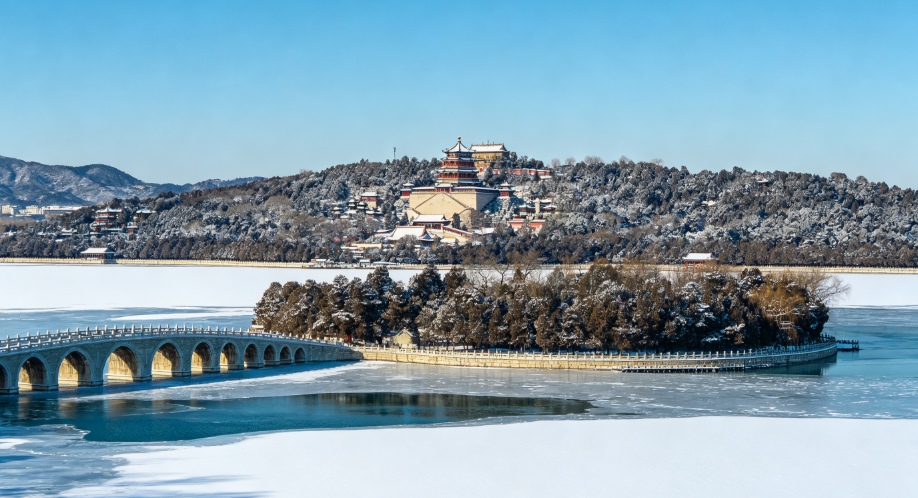
Beijing Winter Activities Guide: Ice, Snow and Hot Springs
Discover the magic of Beijing in winter — from ice festivals and world-class skiing to ancient hot springs, stunning photography spots, and soul-warming hot pot. Your complete guide to the best winter experiences in China's capital.

Beijing Autumn Foliage Guide: Best Spots for Fall Colors
Discover the most stunning autumn foliage destinations in Beijing, from the iconic red maple leaves of Fragrant Hills to the golden ginkgo avenues of Olympic Forest Park. This comprehensive guide covers the best viewing spots, optimal timing, photography tips, and practical travel advice for experiencing Beijing's spectacular fall colors.
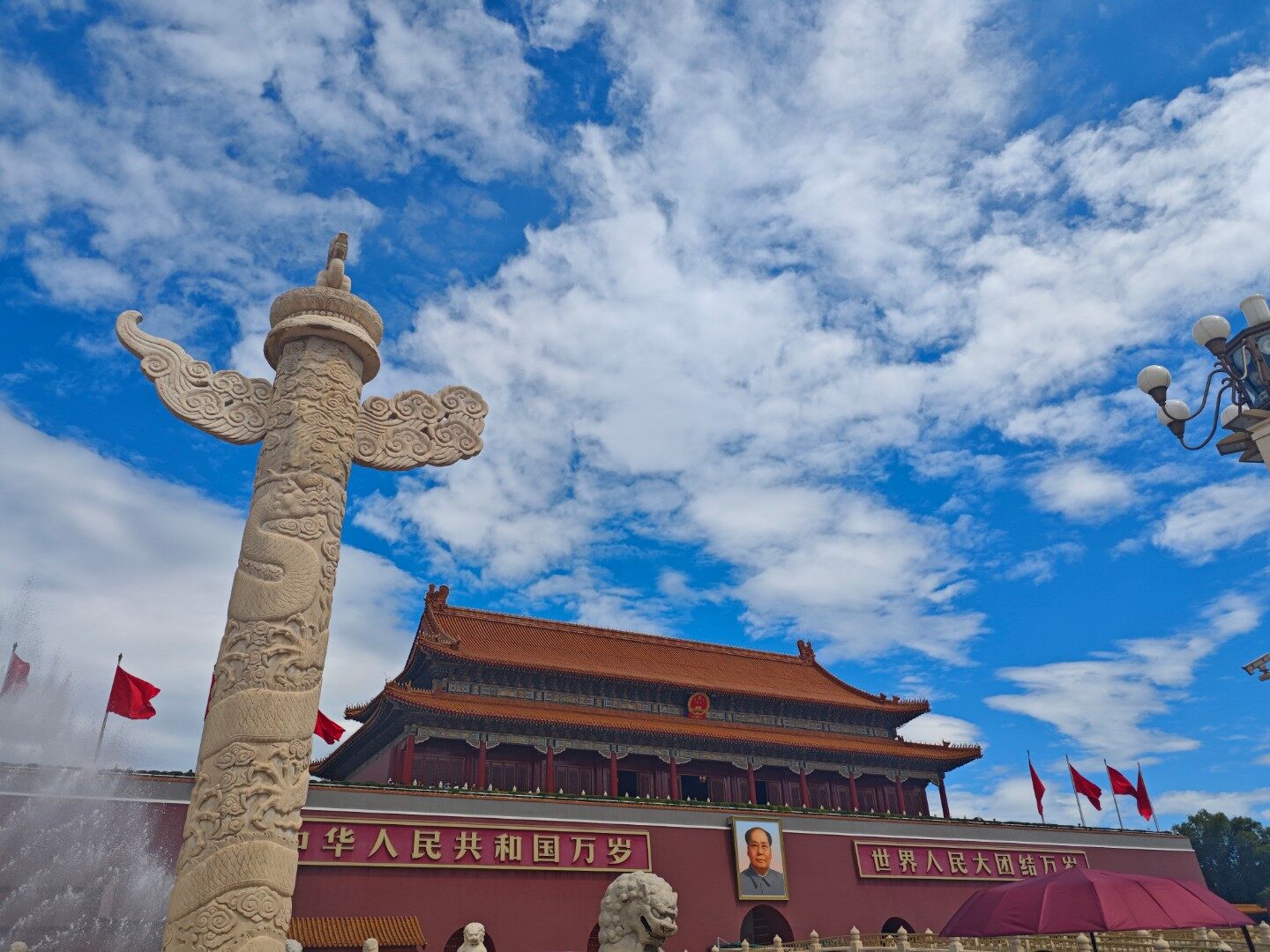
Beijing Vegan Food Guide: Plant-Based Dining Options
A comprehensive guide to vegan and vegetarian dining in Beijing, covering the best plant-based restaurants, Buddhist temple cuisine, vegan-friendly street food, juice bars, and practical tips for maintaining a vegan lifestyle while exploring China's capital city.
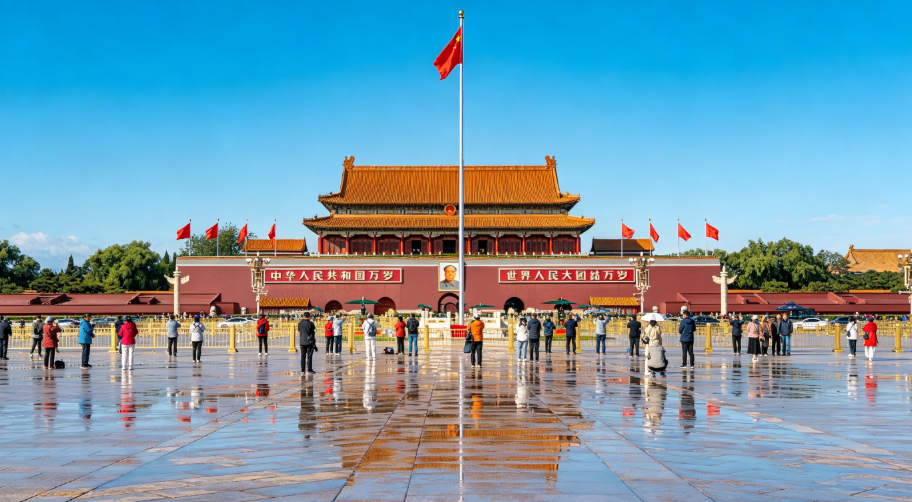
Beijing Business Travel Guide: Venues and Etiquette
A comprehensive guide for business travelers visiting Beijing, covering convention centers, business hotels, dining etiquette, and cultural tips for successful meetings.
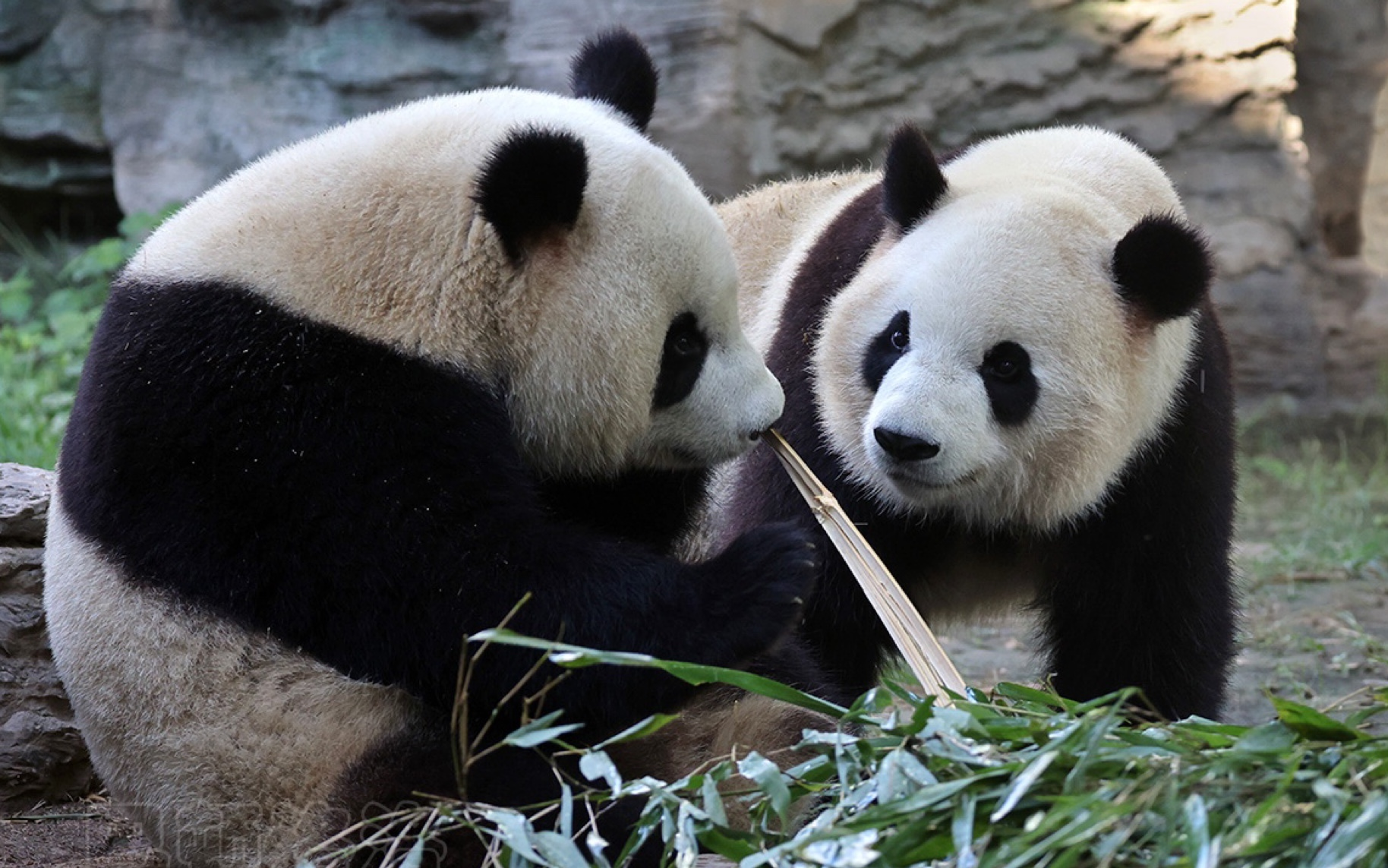
Beijing Student Travel Guide: Education and Exploration
An educational travel guide for students visiting Beijing, featuring museums, historical sites, university visits, budget tips, and immersive cultural experiences.
Beijing Senior Travel Guide: Comfortable and Accessible
A thoughtful travel guide for senior visitors to Beijing, covering accessible attractions, comfortable transportation, health tips, and leisurely itineraries.